
How Rising Gear Costs and Smartphone Cameras Are Reshaping Wedding and Event Photography
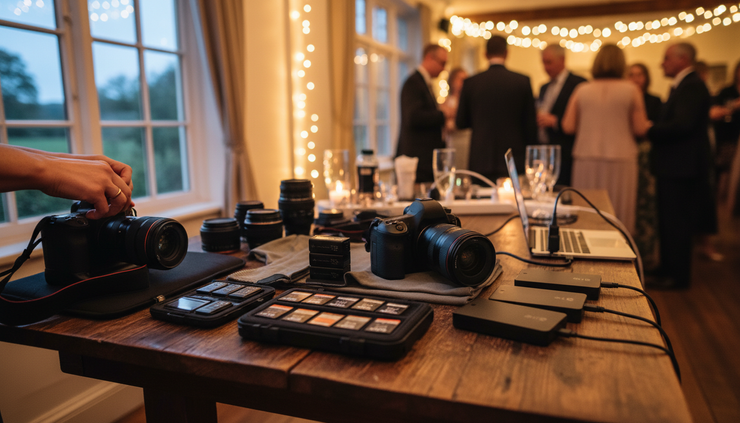
A wedding photographer can spend thousands of dollars before taking a single paid photo. Cameras, lenses, memory cards, lighting, storage, editing subscriptions, insurance, website costs, travel, repairs, replacement batteries, and backup gear all sit behind the final gallery a client receives.
At the same time, smartphones have become better at taking clean, bright, shareable images. Guests can capture moments instantly. Couples can see hundreds of phone photos before the professional gallery is even edited. That shift has changed how clients judge value, how creators price their work, and how the photo and video industry explains what professional coverage actually includes.
For wedding and event photographers, the tension is clear. Costs keep rising, client budgets have limits, and the phone in every guest’s pocket keeps improving. The industry is not disappearing, but it is being forced to adapt.
The true cost of professional photo and video work keeps climbing
Professional gear has always been expensive, but the pressure feels heavier now because almost every part of the workflow has become more costly.
A camera body is only the start. A working wedding or event photographer usually needs:
Multiple camera bodies in case one fails
Several lenses for wide scenes, portraits, low light, and distance
Fast memory cards with enough space for large files
Batteries and chargers for long event days
Lighting equipment for dark venues
Audio gear for video, vows, and speeches
Hard drives for storage and backup
Editing software subscriptions
Gallery delivery tools and website hosting
Insurance, repairs, and regular maintenance
None of these items lasts forever. Cameras wear down. Batteries lose strength. Cards can fail. Hard drives fill up. Software subscriptions renew every month or every year. Even when a creator avoids unnecessary purchases, the basic cost of staying reliable is high.
For Canadian photographers, exchange rates, shipping, taxes, and limited local availability can add more pressure. A price that already feels steep can become harder to justify once delivery, tax, and accessories enter the total.
This matters because wedding and event work leaves little room for failure. A portrait session can sometimes be rescheduled. A ceremony, keynote, award moment, or first dance cannot. Professionals need backup equipment not because they enjoy carrying extra weight, but because missed moments cannot be recreated.
Better smartphones have changed client expectations
Smartphones have made photography feel simple. Tap the screen, adjust the brightness, and the image often looks good enough to share. For everyday use, that is an impressive achievement.
This has created a new challenge for professionals. Many clients now compare professional pricing against what a phone can do in easy conditions. If a phone can take a sharp portrait outdoors, why does wedding photography cost so much? If guests can record clips throughout the reception, why pay for a dedicated video team?
The answer lies in consistency, pressure, and storytelling.
A phone can perform well in good light, at close range, with still subjects. Events are different. A wedding day moves quickly. Light changes constantly. People laugh, cry, dance, walk, hug, and turn away. A photographer has to predict moments before they happen, manage difficult lighting, frame clean images in crowded spaces, and deliver a complete record of the day.
Video adds another layer. Clean sound, steady footage, clear speeches, and usable clips from a long event take planning. A phone video may capture a moment. A professional video should shape those moments into something watchable and lasting.
Still, smartphones have raised the baseline. Clients see more images every day than past generations did. They know what they like. They also expect quick communication, polished galleries, and a smooth delivery process. That means professionals must compete not only on image quality, but also on experience.

Client budgets are not rising at the same pace
Many clients still value photography and video. The issue is that event budgets have limits.
Venue fees, food, clothing, flowers, music, transportation, décor, and guest costs can quickly consume the budget. In that setting, photo and video pricing may feel like one more large expense rather than a long-term investment. This can create a difficult gap between what professionals need to charge and what clients expect to pay.
That gap becomes more visible when clients receive quotes from several photographers with very different prices. A newer creator may charge less because they have lower overhead or are still building a portfolio. An experienced professional may charge more because they carry backup gear, insurance, editing costs, taxes, assistants, and years of skill.
To a client, both may appear to offer the same thing: a gallery of images. In reality, the difference often sits in the details that are harder to see before the event.
Those details include preparation, timing, backup plans, file safety, low-light skill, calm direction under pressure, and editing judgment. The finished work may look effortless because the professional absorbed the difficulty.
This is where communication matters. Creators who explain their process clearly help clients understand what they are paying for. Long lists of gear rarely persuade people. Clear explanations do.
For example:
Backup matters
If one camera fails during the ceremony, the work continues.
Storage matters
Files should be copied and protected after the event, not left on one card.
Experience matters
A skilled photographer can handle rain, schedule delays, dark rooms, and fast-moving moments.
Editing matters
A gallery should feel consistent, not like a random set of files.
A common misspelling like “weedings and events” still points to the same crowded market. Couples and event planners are searching quickly, comparing prices quickly, and forming opinions before they ever speak with a professional.
Subscriptions have quietly changed the business
The move from one-time software purchases to ongoing subscriptions has changed the way many creators manage costs. Editing tools, storage services, gallery platforms, music licensing, website tools, and client management systems can all require recurring payment.
On their own, each monthly fee may seem manageable. Together, they become a fixed cost that must be covered whether the month is busy or slow.
This creates pressure in seasonal markets. Wedding work in many parts of Canada often peaks during warmer months, while bookings may slow during winter. A photographer still pays for software, insurance, storage, and online tools during slower periods. Those costs must be built into yearly pricing.
Clients rarely see this side of the work. They see the photographer on the event day and the gallery afterward. They may not see the hours spent importing files, backing them up, selecting images, editing, exporting, uploading, and delivering the final set.
A professional photo or video business is not only about taking pictures. It is a delivery system built around trust. That system now has more recurring costs than it once did.

The market is splitting into different levels of service
As costs rise and budgets tighten, the market is becoming more divided. There is no single type of client and no single type of photographer.
Some clients want full-day coverage, two photographers, video, albums, engagement sessions, and careful planning support. Others want a short ceremony covered, a small gallery, and a simple delivery. Both needs are valid, but they require different services and prices.
This shift can be healthy if professionals build clear offers instead of trying to serve everyone with one package.
Common service levels now include:
Short coverage for small ceremonies or community events
Half-day packages for clients who need key moments only
Full-day coverage for weddings with many moving parts
Photo-only packages for tighter budgets
Combined photo and video options for clients who want one coordinated team
Add-ons such as rehearsal coverage, albums, extra editing, or faster delivery
The challenge is to avoid racing to the bottom. Lower prices can bring bookings, but they can also leave creators without enough money to replace gear, pay taxes, buy storage, or recover from slow months.
A better approach is to define value clearly. A shorter package can still be professional. A simple package can still include safe storage, proper editing, and reliable communication. The key is to make the scope clear so neither side feels misled.
Professionals need to sell judgment, not just images
In a world full of cameras, the strongest advantage a professional has is judgment.
Judgment means knowing where to stand during the ceremony without blocking guests. It means noticing when a parent is about to cry. It means choosing when to give direction and when to stay quiet. It means seeing bad light and fixing it quickly. It means knowing which images belong in the final gallery and which ones do not.
Smartphones are good at capture. They are not good at responsibility.
A guest can miss a shot and move on. A professional cannot. That difference should shape how photographers talk about their work. The message should not be that phone photos are worthless. They are not. Phone photos often capture fun, personal, immediate moments. The professional role is different.
Professional coverage provides:
A planned record of the event
A consistent style from start to finish
Reliable files that are edited and delivered properly
Calm direction when people need help posing
Experience in difficult light and tight timelines
Accountability before, during, and after the event
The more phones improve, the more professionals need to focus on these human skills. Gear still matters, but trust matters more.
Clients benefit from clearer expectations
Clients do not need to understand every camera setting or editing tool. They do need to understand what they are buying.
Clear expectations help both sides. A professional should explain the number of coverage hours, what moments are included, how many edited images are typical, when the gallery will be delivered, and what happens if equipment fails. Video teams should explain sound, ceremony coverage, speeches, highlight films, and longer edits in plain language.
Clients should ask practical questions:
What happens if a camera stops working?
How are files backed up after the event?
How long does editing usually take?
Is travel included?
What parts of the event are covered?
Can the package be adjusted to fit the schedule?
These questions are not about challenging the creator. They are about matching expectations to budget.
When budgets are limited, the best solution is not always to choose the lowest quote. It may be better to reduce coverage hours, skip extras, book photo first and video second, or focus on the most meaningful parts of the day.
A smaller professional package can often serve a client better than a larger package that is unclear, rushed, or underpriced.

The path forward requires discipline and honesty
The photo and video industry is under pressure, but the work still has lasting value. Weddings, family gatherings, cultural ceremonies, fundraisers, performances, and milestone events deserve to be documented with care.
The business model, though, needs discipline.
For creators, that means pricing with real costs in mind. Gear replacement, storage, taxes, insurance, editing time, travel, and subscriptions cannot be treated as afterthoughts. If the price does not support the business, the service will not be sustainable.
It also means resisting the urge to buy every new tool. Better equipment can help, but constant upgrades can weaken the business if they do not improve the client experience or protect the work. A reliable setup, strong backup habits, and good communication often matter more than having the newest camera.
For clients, the shift means looking past the surface of a quote. A professional is not charging only for the hours spent at the venue. The price includes preparation, experience, editing, equipment care, file safety, and the responsibility of documenting moments that only happen once.
Both sides benefit when the conversation becomes more transparent.
The future of wedding and event photography will not be defined by gear alone. Smartphones will keep improving. Cameras will keep changing. Costs will keep moving. What will remain valuable is the ability to tell the story of a real event with care, consistency, and responsibility.
The strongest professionals will be the ones who combine practical business habits with a clear creative purpose. They will explain their value without dismissing smartphones, and they will build services that respect both their costs and their clients’ budgets. That balance is not easy, but it is where the industry has to go.


Comments